
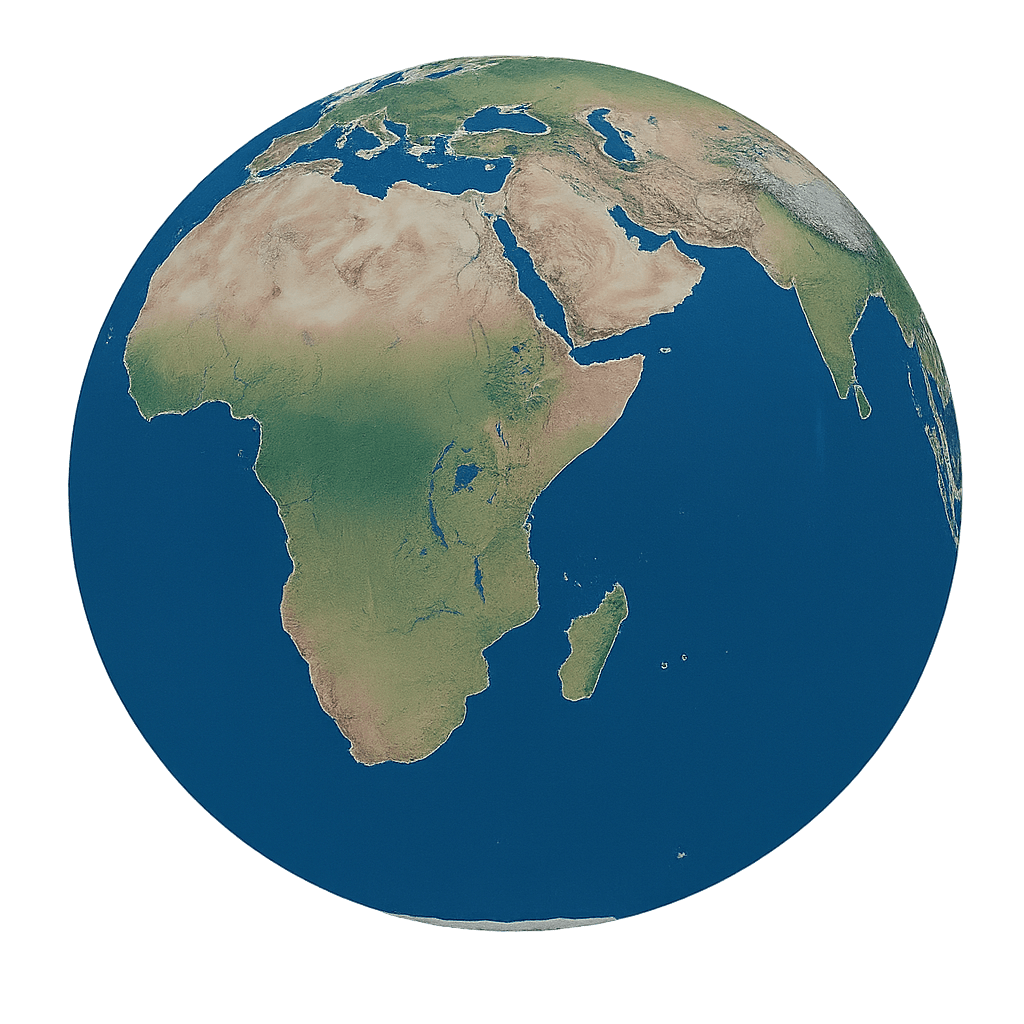
Kidnapping Aftermath (Health/Safety): American missionary pilot Kevin Rideout, abducted outside his Niamey home on Oct. 21, 2025, has been released after more than nine months in captivity. Care & Recovery: SIM International says he is in good health and is now in U.S. officials’ care, with plans to reunite him with his wife and children; U.S. President Donald Trump also confirmed the release, calling it the work of “Jihadi terrorists” in West Africa. Niger Security Context: The case highlights ongoing kidnapping risks in Niger amid jihadist violence across the Sahel, with the U.S. embassy previously warning Americans of heightened kidnapping threats throughout the country. Local Health Impact (Community): Separately, Niger State reports a farmers-versus-herders clash in Kataeregi that injured three people and destroyed four motorcycles, with victims taken to hospital for treatment.
AGP Executive Report
Your go-to archive of top headlines, summarized for quick and easy reading.
Note: AI summary from news headlines; neutral sources weighted more to help reduce bias in the result. Feedback is welcome. Please let us know if you have any comments or suggestions about the AGP Executive Report.
Kidnapping Relief: American missionary pilot Kevin Rideout has been released after more than nine months in captivity in Niger and is now in the care of U.S. officials, with his organization SIM International saying he is in good health and will soon reunite with his family. Health & Care Access: Niger State and UNICEF have launched a campaign to help mothers and newborns fight preventable diseases, using community mobilisers to bridge gaps in antenatal care and immunisation. Local Health Support: LMUIT (Lugbe Muslim Ummah Islamic Trust) visited Sabon Wuse General Hospital in Niger State, donating cash to support patients’ medication costs as part of its annual health outreach. Diagnostics & Testing: Morocco’s Gigalab says it is expanding across Africa, manufacturing rapid tests for HIV, hepatitis, malaria, mpox and syphilis, and already supplies Niger and Benin. Road Safety: A truck crash in Niger State killed 18 people and injured 22 others, with FRSC linking the accident to driver fatigue. Public Health Policy: Nigeria’s community pharmacists are calling for stronger government support so they can subsidise essential medicines and improve affordability. Climate Health Risk: A new analysis warns extreme heat is becoming a major public health threat across vulnerable countries, with heat exposure projected to rise sharply.
HealthTech & Diagnostics: Morocco’s Gigalab says it’s ready to scale across Africa, making rapid tests for HIV, hepatitis, malaria, mpox and syphilis, and already supplies Niger while expanding partnerships. Emergency Care & Patient Safety: A Katsina United defender, Chinedu Ozor, sparked national debate after being declared dead following a collapse in a friendly, then later reports of movement in the mortuary—Katsina United insists he did not regain consciousness. Nutrition & Trauma After Kidnapping: Rescued victims from Woro (including children and women) are receiving treatment for malnutrition, skin disease, fractures and psychological trauma after months in captivity. Road Safety & Hospital Load: A truck crash on the Bida–Mokwa road in Niger State killed 18 and injured 22, with bodies taken to a mortuary and survivors sent to a medical centre. Public Health & Access to Medicines: Nigeria’s community pharmacists are urging stronger support to subsidise essential medicines and improve affordability. Flooding & Health Risks: Northern senators demand a permanent Shiroro flood management master plan, including early warning and resettlement, warning repeated disasters strain health and sanitation.
Kidnapping Recovery in Ilorin: Frail, malnourished children and women rescued after 6 months in captivity following the Woro attacks are receiving treatment at Kwara State University Teaching Hospital, with doctors reporting ongoing needs like blood transfusions and psychological support. Community Pharmacy Access: Nigeria’s community pharmacists are urging stronger federal and state support so they can subsidise essential medicines and improve affordability. Road Safety Tragedy in Niger State: A heavy-duty truck crash on the Bida-Mokwa road at Wuya village killed 18 people and injured 22 others; FRSC links the crash to driver fatigue. Insecurity Toll on Health Workers: Nigeria Customs says insecurity is disrupting operations and even affecting the health of its personnel, as officers face threats and reduced activity. Floods in Niger State: Northern Senators Forum calls for a permanent Shiroro flood management master plan, including early-warning systems, dam operation reviews, and floodplain resettlement. Sports Medical Confusion in Katsina: Katsina United continues to clarify the death of defender Chinedu Ozor after reports of movement in a mortuary, urging the public to stop misinformation. ECOWAS Startup Push (HealthTech): ECOWAS opened applications for its $65,000 Startup Awards (HealthTech included), selecting 60 startups for regional finals in Abuja.

Kidnapping Aftercare in Hospitals: Nigeria’s security forces say they rescued 308 abductees in a major operation across Kwara and Niger, but survivors—especially children and women—arrived at Ilorin’s teaching hospital frail and malnourished, with some still needing blood and oxygen. Flood Risk and Health Safety: Northern Senators Forum urges Niger State to move beyond relief and adopt a long-term Shiroro Flood Management Master Plan, including early-warning, flood-buffer dam operations, and floodplain resettlement with health and sanitation support. Oxygen Supply for Care: Niger Gas says it can meet hospital oxygen needs in Enugu, targeting up to 400 cylinders daily at full capacity, after restarting operations. Food & Health Transparency: CSOs and farmers demand the Federal Government publish the MoU for a $2.5bn JBS livestock deal, warning secrecy could bring health, environmental, and social risks. Sports Health Emergency: Katsina United’s defender Chinedu Ozor’s death after collapsing sparked confusion over reports of movement in a mortuary; the club now insists he did not “come back to life,” while he was reportedly moved to ICU earlier. ECOWAS Startup Funding: ECOWAS opens applications for its $65,000 Startup Awards (60 startups across sectors), with Nigerians eligible to apply.
Oxygen Supply Watch: Niger Gas says it can meet Enugu hospitals’ oxygen needs fast, producing about 80 cylinders daily now and targeting 400+ at full capacity, after restarting operations four months ago. Emergency Care in Sports: A Katsina United defender, Chinedu Ozor/Chinedu Ozoh, was reported dead after collapsing in a pre-season friendly, but later accounts say he showed signs of movement and was rushed back to ICU at Katsina General Hospital—highlighting how quickly medical response matters. Startup Funding (HealthTech link): ECOWAS opened applications for its 2026 Startup Awards with $65,000 total prizes, including a HealthTech track; applications run until Aug 31, with finals in Abuja in late September. Breastfeeding & Nutrition Costs: CSOs warn weak breastfeeding and child nutrition support could cost Nigeria up to $21bn in future economic losses, urging stronger early childhood development investment. Local Health Risks: Niger State lawmakers raised concerns over public health hazards from illegal gold ore crushing in residential areas, calling for urgent mitigation.
Football Health Alert: Katsina United is mourning the sudden deaths of newly signed players Ozoh Chinedu and Chinedu Ozor after they collapsed during pre-season friendlies in Katsina, with both rushed to K-Dara Specialist Hospital but pronounced dead; clubs say details of the medical emergencies are still unclear. Medical Training & Access: NOHIL in Lagos, with Steps2Walk and GHCTF, has started a Foot and Ankle Surgical Course plus community outreach to expand specialist care and reduce the need for patients to travel abroad. Oxygen Supply Push (Enugu): Niger Gas says it can meet Enugu hospitals’ oxygen needs quickly, scaling production from about 80 cylinders daily to full capacity of 400+ cylinders. Public Health & Nutrition: CSOs mark World Breastfeeding Week warning that weak breastfeeding and child nutrition support could cost Nigeria up to $21bn in future economic losses. Health Systems & Identity: Nigeria’s birth registration drive reports 14.5m children reached, with services increasingly linked to health facilities and community outreach, including in Niger State. Malaria Risk Shift: A new study warns climate change may shift malaria into new regions, potentially raising childhood malaria in areas that were previously lower risk.
Diphtheria Update (Niger State): Niger State says it has curtailed its diphtheria outbreak, discharging 103 of 124 admitted cases and recording 17 deaths, with only one patient still on admission after strengthened surveillance, case management, immunisation and public awareness. Primary Healthcare Push (Niger State): The state targets completing 100 of 274 Tier-Two PHCs within four months and by end-2026, alongside free care for accident victims in the first 24 hours, free snakebite treatment in the first 24 hours, and free C-sections in five hospitals, plus secured malaria drugs and outreach. Gold Mining Health Risks (Niger State Assembly): The Niger State House of Assembly warns that illegal gold ore crushing in residential areas is creating serious environmental and public health hazards, urging urgent government action to mitigate impacts. Road Safety Tragedy (Niger State): FRSC reports 15 deaths and 25 injuries after a head-on bus crash on the Enagi–Mokwa Road, blaming reckless overtaking at a bend and speeding; injured passengers were taken to Bida and Kutigi hospitals. Birth Registration & Health Link (Nigeria): Nigeria’s birth registration drive says it has reached 14.5 million children, expanding digital services to over 6,000 wards and linking registration with health facilities and community outreach in states including Niger. Family Planning Funding (ECOWAS/AI): ECOWAS opens applications for its 2026 Startup Awards with a $65,000 prize pool, including HealthTech, while a separate AI family planning grant call offers up to $500,000 for conversational tools to improve contraceptive uptake. Sports Medical Preparedness (Nigeria): A newly signed Katsina United defender died after collapsing during a pre-season friendly, renewing calls for stronger on-pitch emergency readiness.
Diphtheria Update (Niger): Niger State says it has curtailed its diphtheria outbreak, discharging 103 of 124 admitted cases and recording 17 deaths, with only one patient still on admission; officials cite strengthened surveillance, case management, immunisation and public awareness, and warn parents against refusing vaccines. Primary Healthcare (Niger): The state also targets completing and commissioning 100 of 274 upgraded Tier-Two PHCs by end-2026, alongside free early treatment for accident victims and snakebite cases, and free caesarean services in designated hospitals. Road Safety (Niger): A head-on bus crash on the Maradi–Madaoua road left at least 21 dead and 37 injured, with one bus reportedly carrying soldiers; authorities have launched an investigation and renewed calls for safer driving. Road Safety (Niger State): Another crash on the Enagi–Mokwa Road killed 15 and injured 25 after reckless overtaking and speeding, with victims taken to medical facilities in Bida and Kutigi. Health System (Niger): Niger State says the IBBU Teaching Hospital contract has been revoked but completion is still expected in 18 months to two years, with interim clinical training arrangements using existing hospitals. Pharmacy Workforce (Nigeria, regional health impact): Nigeria’s community pharmacists warn that pharmacist migration, weak regulation, medicine insecurity and drug abuse are harming public health, calling for urgent reforms.
Road Safety: FRSC confirms 15 deaths and 25 injuries after two buses collided head-on and burst into flames along the Enagi–Mokwa Road in Niger State, with wrong overtaking at a bend and speeding blamed; victims were taken to Federal Medical Centre Bida and General Hospital Kutigi. Diphtheria Update: Niger State says it has curtailed its diphtheria outbreak, discharging 103 of 124 admitted cases while recording 17 deaths, with only one patient currently on admission; officials cite strengthened surveillance, case management, immunisation and public awareness, and warn parents may face arrest for refusing vaccination. Primary Healthcare Push: Niger State targets completing 100 of 274 upgraded Tier-Two PHCs by end-2026, alongside free early treatment for accident victims and snakebite cases within 24 hours, and free C-sections in designated hospitals. Pharmacy Workforce & Medicines: ACPN urges urgent reform of Nigeria’s pharmacy sector, warning that pharmacist migration, weak regulation, medicine insecurity and drug abuse are harming public health. Family Planning Funding: A $500,000 grant call is open for AI-enabled family planning tools, aiming to improve contraceptive uptake and method choice.
Diphtheria Control in Niger State: Niger State health officials say the diphtheria outbreak is being brought under control, with 103 patients discharged out of 124 admitted and 17 deaths recorded; only one patient remains on admission as surveillance, case management, immunisation and public awareness are intensified. Vaccination Push (and Backlash): Officials also warn that poor routine immunisation and vaccine refusal are driving spread, with reports that parents who refuse vaccination may face arrest under child rights laws. Primary Healthcare Upgrade: Niger State plans to complete and commission 100 of 274 upgraded Tier-Two PHCs by end-2026, alongside free early treatment for accident victims and free care for snakebite cases, plus malaria drug support. Road Safety Crisis: Two separate reports highlight deadly crashes in Niger—one involving two buses on Enagi-Mokwa Road (15 dead, 25 injured) and another on the Maradi–Madaoua route (21 dead, 37 injured), with speeding and wrongful overtaking cited. Health System Capacity: Niger State also sets a six-month to one-year timeline to fix clinical training delays for medical students at IBBU Lapai while a permanent teaching hospital is completed.
Road Safety Crisis: At least 21 people were killed and 37 injured in a head-on collision between two buses on the Maradi–Madaoua road near Rézi, with one bus reportedly carrying soldiers; authorities have launched an investigation as Niger records thousands of crashes yearly. Diphtheria Alert: Niger State reported 124 diphtheria cases with 17 deaths from January to August 2026, blaming low routine immunisation coverage and warning parents who refuse vaccination could face arrest. Health Workforce Planning: Niger State set a six-month to one-year timeline to fix clinical training delays for medical students at IBBU Lapai, after construction issues with the permanent teaching hospital. Kidnap Victims’ Health Needs: Reports from Kwara and Niger highlight the human toll after rescues from captivity, including deaths in captivity and the need for medical checks and psychological support for survivors. Security & Logistics Scrutiny: A separate report says 42 Niger armed forces personnel died in a fatal bus crash near Doukou Doukou, raising questions about troop transport safety standards. Maternal & Child Nutrition Push: UNICEF and Niger authorities renewed calls for exclusive breastfeeding, linking infant survival to better feeding practices.
Road Safety & Injury Care: Two passenger buses collided on the Maradi–Madaoua road in western Niger, killing at least 21 people and injuring 37; victims were taken to hospitals in Madaoua and Maradi as authorities investigate speeding, drunk driving, and poor road conditions. Vaccine-Preventable Disease: Niger State reports 124 diphtheria cases with 17 deaths since January, with health officials blaming weak routine immunisation and warning that children who miss doses remain most at risk; the government says it may arrest parents who refuse vaccination. Maternal & Child Health Promotion: Niger State and UNICEF urged women to push exclusive breastfeeding during 2026 World Breastfeeding Week, targeting the first 1,000 days for better child health. Health System Training: Niger State set a six-month to one-year deadline to fix clinical training delays for medical students at IBBU Lapai, after construction issues around a teaching hospital. Security, Trauma, and Care Needs: A rescue operation freed 315–308 abducted people across Kwara and Niger, but reports include deaths of children in captivity and survivors needing medical checks, psychological support, and long-term rehabilitation.
Urban Malaria Threat: WHO warns Africa’s cities face a new, year-round malaria risk as the invasive Anopheles stephensi spreads into countries including Niger, with daytime biting and insecticide resistance making control harder. Clinical Training Deadline: Niger State sets a 6–12 month timeline to fix a clinical training crisis for medical students at IBBU Lapai, after delays tied to a teaching hospital construction dispute. Diphtheria Update: Niger State reports 124 diphtheria cases with 17 deaths since January to August 2026, urging parents to vaccinate as immunisation campaigns intensify. Breastfeeding Push: Niger State and UNICEF urge women to practice exclusive breastfeeding, highlighting the first 1,000 days and noting the state is still below national targets. Kidnap Aftercare in Focus: Rescued Woro victims in Kwara and Niger are receiving medical checks and support after months in captivity, with reports of deaths in captivity and some still missing. Health System Investment: Coverage highlights Niger State’s health-sector overhaul under Governor Bago, including facility remodelling and drug distribution to improve care access.
Kidnap Victims’ Health Support: Rescued Woro abductees are arriving in Ilorin after months in captivity, with 163 freed from Kwara and 145 from Niger State; many are still receiving medical attention at the Nigerian Army Barracks in Sobi, and authorities say survivors will also get psychological and welfare support as families reunite. Breastfeeding Push in Niger State: Niger State and UNICEF urged women to promote exclusive breastfeeding, citing that the state is still below the national average (estimated at 56%); sensitisation during World Breastfeeding Week focused on the first 1,000 days and the cost and feasibility concerns mothers face. Health Sector Investment Spotlight: Coverage highlights Niger State Governor Mohammed Umaru Bago’s health-sector overhaul, including remodeling and rehabilitating facilities and drug distribution, framing it as a shift toward more modern service delivery. Security Crackdown Context: Police reported nationwide operations that rescued victims and seized over 1,100 rounds of ammunition, underscoring the ongoing link between insecurity and health risks for communities.
Breastfeeding Push in Niger State: Niger State and UNICEF urged women to practice exclusive breastfeeding, saying it’s key for healthy babies in the first 1,000 days; the state put its exclusive breastfeeding average at about 56% and marked World Breastfeeding Week with community sensitisation and a road walk. Kidnap Victims’ Medical Care After Rescue: Nigeria’s President Tinubu welcomed the rescue of 308 abducted people from Kwara and Niger states, saying victims are receiving first aid and medical attention at Wawa Cantonment before reunification. Still Missing in Woro Case: Despite the release of most captives, Kaiama community leaders say 13 of the 176 abducted during the Feb. 3 Woro attack remain unaccounted for, with some victims reportedly giving birth in captivity. Security Response Focus: Tinubu directed security agencies to strengthen early warning systems and community intelligence to prevent future mass abductions. Grassroots Sports in Focus: ABA continues its nationwide grassroots basketball coaching clinics, with a new one scheduled in Jalingo, Taraba State, to train coaches and spot emerging talent.
Kidnap Recovery & Care: Nigeria’s President Bola Tinubu welcomed the rescue of 308 abducted people from Kwara and Niger states, freed from the Kainji Lake National Park forest in New Bussa, with 163 taken from Woro Community (Kaiama LGA, Kwara) and 145 from Niger State; victims are receiving first aid and medical attention at Wawa Cantonment before handover to their states. Security Response: Tinubu ordered security agencies to strengthen early warning systems, improve community intelligence, and speed up rapid response to prevent future mass abductions. Missing Victims Update: A community leader in Kaiama said 13 of 176 abducted residents remain unaccounted for, even as 163 have reportedly returned, with plans to move freed victims for medical care, rehabilitation, and resettlement. Health System Link: The rescue highlights the need for fast access to medical evaluation and follow-up support for survivors after captivity.
Kidnap Recovery & Care: Nigeria’s President Bola Tinubu says security forces rescued 308 abducted people in the north, including 163 Woro community victims from Kwara and 145 abducted from Niger, freed from the Kainji Lake National Park forest and receiving first aid and medical attention at Wawa Cantonment before handover to families and state authorities. Security Response: Tinubu praised the joint operation led by the National Counter-Terrorism Centre with the Armed Forces, DSS and police, and ordered stronger early warning systems, community intelligence gathering, and faster response to prevent future mass abductions. Local Health Impact: Survivors are being screened and treated after months in captivity, highlighting urgent needs for trauma care, follow-up treatment, and safe reunification support for affected communities. Road Safety & Violence: Separately, bandits reportedly blocked the Mokwa–New Bussa road in Niger State, opening fire on a commercial vehicle and injuring two passengers, with victims taken to hospital.
Security & Health Access: President Tinubu welcomed the joint rescue of 308 abducted Nigerians from Kwara and Niger, directing security agencies to strengthen early warning systems, community intelligence, and rapid response; victims were freed from Kainji Lake National Park forest and are receiving first aid and medical attention before handover to state governments. Eye Health: Niger State flagged off a free eye care camp in Minna, screening over 2,300 people and scheduling 380 cataract surgeries, with 700 receiving eyeglasses and 2,000 treated with medications through Qatar Charity Nigeria support. Hepatitis Watch: Niger State marked World Hepatitis Day, reporting high hepatitis B prevalence (7.5% positivity among 20,000 tested) and announcing free testing support for pregnant women under triple elimination efforts. Maternal & Child Nutrition: Niger State said breastfeeding rates remain below targets (44–46% locally vs 56% national average), pushing World Breastfeeding Week sensitisation on exclusive breastfeeding. Universal Health Coverage: Niger began enrolling 66,000 vulnerable residents into the BHCPF to expand free healthcare coverage, building on 121,000 already enrolled. Malaria Risk: A new study says climate change is reshaping malaria’s map—slightly reducing risk in today’s hottest hotspots while increasing it in cooler regions, including parts of southern and East Africa.
Niger State eye care drive: Niger State opened a free eye care camp in Minna, screening 2,300 people and scheduling 380 cataract patients for sight-restoring surgery, while 2,000+ received medicines and 700+ got eyeglasses. Health coverage expansion: Niger State has started enrolling 66,000 vulnerable residents into the Basic Health Care Provision Fund (BHCPF) to widen free healthcare access, building on 121,000+ already enrolled. Hepatitis B alert: Niger State marked World Hepatitis Day with figures showing high hepatitis burden—7.5% hepatitis B positivity among 20,000 tested, plus 5.4% hepatitis C positivity, including 3.2% B and 2.3% C among pregnant women. Breastfeeding push: Niger State reported it is still below targets for exclusive breastfeeding (44% vs national 56%), urging mothers to breastfeed exclusively for up to six months. Hospital upgrade: Niger State also remodeled its 100-year-old General Hospital in Minna and distributed N2.5bn in drugs to local government areas.
Sign up for:
Niger Health Wire
The daily local news briefing you can trust. Every day. Subscribe now.
Check Your Email!
We sent a one-time activation link to: .
Confirm it's you by clicking the email link.
If the email is not in your inbox, check spam or try again.
Welcome back!
is already signed up. Check your inbox for updates.