
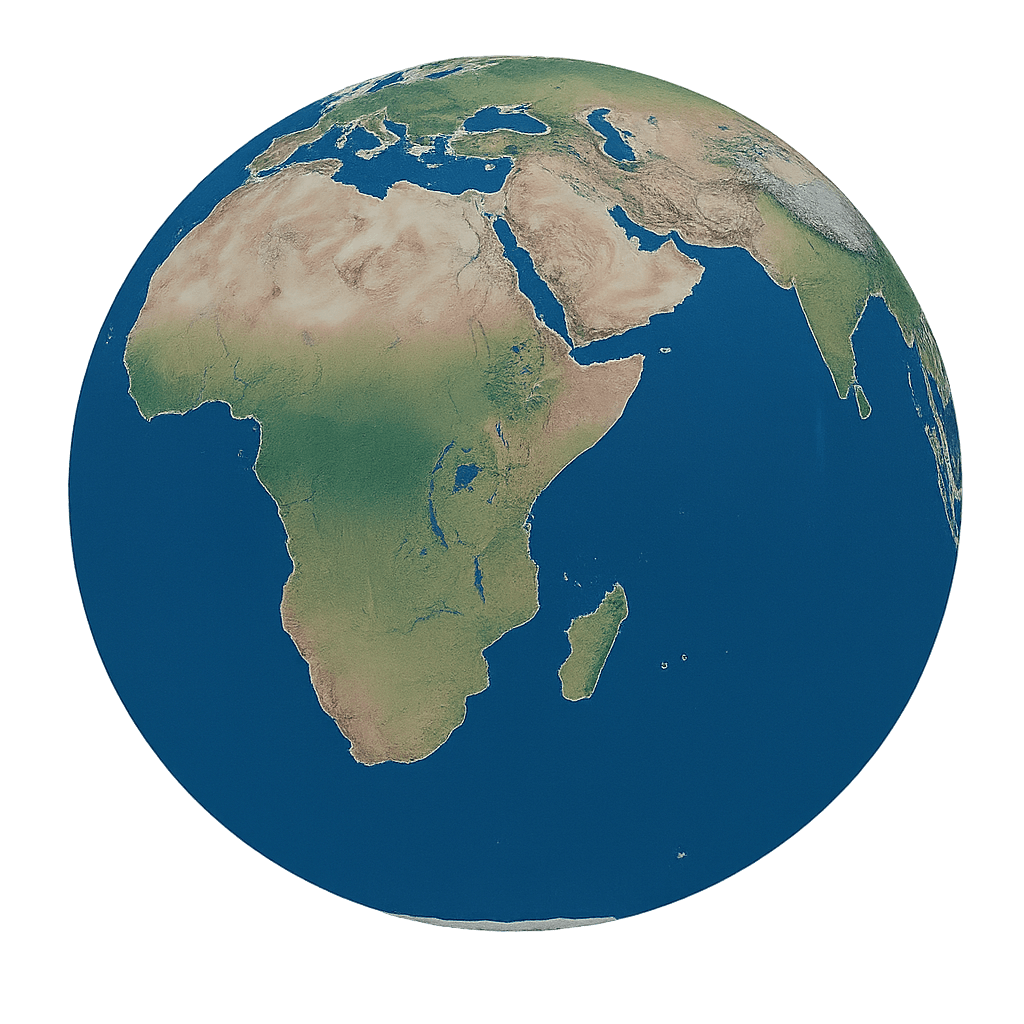
Diphtheria Outbreak: Niger State reports diphtheria deaths rising to 17 in 2026, with 124 confirmed cases since January and new fatalities in Chanchaga and Katcha, blamed on low childhood immunisation; health teams are urging parents to vaccinate and strengthening community engagement with UNICEF. Water & Primary Health: Niger State First Lady Hajia Fatima Bago inaugurated solar-powered boreholes in 10 wards of Edati LGA, aiming to improve access to safe water and support community wellbeing. Security & Public Safety: Niger State Police arrested 14 suspects in separate operations, including three vigilantes accused of kidnapping and armed robbery, and also nabbed nine suspects over a stabbing death in Minna. Pharma Cooperation: Saidal Group met Niger’s ambassador to Algeria to strengthen pharmaceutical collaboration, including supply of essential locally produced medicines. Regional Context: Italy’s military mission in Niger is increasingly questioned as Russian influence grows and instability persists. Food Systems Pressure: A broader Africa food-systems piece highlights land degradation and climate stress—key background for nutrition and health planning across the Sahel.
AGP Executive Report
Your go-to archive of top headlines, summarized for quick and easy reading.
Note: AI summary from news headlines; neutral sources weighted more to help reduce bias in the result. Feedback is welcome. Please let us know if you have any comments or suggestions about the AGP Executive Report.
Diphtheria Alert (Niger State): Niger State reports 17 diphtheria deaths in 2026 so far, with 124 confirmed cases since January; new fatalities were recorded in Chanchaga and Katcha, and officials blame low childhood immunisation, urging parents to vaccinate as UNICEF and state teams push community engagement. Water & Primary Health (Niger State): Niger State First Lady Hajia Fatima Bago inaugurated solar-powered boreholes in 10 wards of Edati LGA, aiming to improve access to potable water for better household health and wellbeing. Violence & Community Safety (Minna): Niger State Police arrested nine suspects after a 35-year-old man was stabbed to death in Maitumbi, Minna, and also seized suspected cannabis and weapons during related raids. Health Risks from Insecurity (Sahel/Niamey): Reports of a failed mutiny in Niamey and subsequent security actions continue to raise health and safety concerns for civilians, while Algeria deployed fighter jets to support Nigerien forces. Public Health Beyond Borders (Ghana): Ghana’s GIS arrested 1,055 people in an anti–forced begging operation, rescuing 662 children and others; a Nigerien woman was found in labour during the sweep, highlighting urgent care needs for vulnerable victims.
Diphtheria Alert (Niger State): Niger State reports 17 diphtheria deaths in 2026 so far, with 124 confirmed cases since January and new fatalities in Chanchaga and Katcha. Health officials blame low childhood immunisation and are urging parents to vaccinate, with UNICEF support for community engagement and ward-level prevention. Diphtheria Spread (Regional): Katsina State says suspected diphtheria cases are now in 29 local government areas, citing a porous border with Niger Republic and weak vaccination uptake; reactive vaccination, isolation centres, and contact tracing are underway. Health & Water (Niger State): Niger State First Lady Fatima Bago inaugurated solar-powered boreholes in 10 wards of Edati LGA, aiming to improve access to safe water and strengthen rural public health. Security & Care (Cross-border): While not Niger-focused, Ghana’s GIS says it arrested 1,055 people in an anti-trafficking and forced-begging operation, with Nigeriens among those detained—highlighting ongoing risks to women and children’s wellbeing across the region. Policy Context (Niger-focused health priorities): Political debate in Nigeria continues over fuel subsidy and healthcare funding, with claims that underfunding is worsening access to care.
Diphtheria Alert: Niger State reports 11 deaths linked to a diphtheria outbreak, with 124 cases recorded from January to early August; officials blame low vaccination uptake and say ward-level community engagement is being strengthened. Water & Health Access: Niger State First Lady Hajia Fatima Bago inaugurated solar-powered boreholes in 10 wards of Edati LGA, aiming to improve potable water access and public health at the grassroots. Security & Care for Victims: In Kogi State, Nigeria’s military says 21 kidnapped people were rescued from the Egume-Ochaja forest stretch, including 15 NYSC members; President Tinubu says the freed victims are receiving medical attention. Outbreak Spillover in the Region: Katsina State says suspected diphtheria cases are now in 29 LGAs due to border risks with Niger Republic and weak vaccination coverage, with reactive vaccination and isolation centres ramped up. Community Safety: Zamfara’s CPG says it arrested nine suspects and uncovered over N226m linked to ransom payments from abductions.

Diphtheria Alert (Katsina): Katsina State says suspected diphtheria cases are now in 29 LGAs, driven by low vaccination and a porous border with Niger, with Funtua the worst hit; authorities report reactive vaccination, isolation centres, active case search, contact tracing and chemoprophylaxis, while the Federal Teaching Hospital Katsina warns its children’s ward is overcrowded. Health System Strain (Katsina Hospital): The outbreak is overwhelming bed space as referrals surge, even as teams try to keep care going for critically ill children. Security & Health Access (Niger/Region): After gunfire and a reported mutiny in Niamey, Niger’s junta says it regained control, with Algeria deploying Su-30 jets to support Niamey—an instability that can disrupt routine health services and disease response. Human Safety (Wildfire Health Risk): Research highlights that wildfire smoke is becoming an urban health threat, not just a rural one, raising concerns for respiratory illness risk as fires spread into cities. Care Workforce Pressure (Nigeria): The Nigerian Medical Association warns that insecurity and poor pay are pushing doctors to leave, threatening healthcare delivery quality across the region. Child Nutrition Crisis (North Nigeria): MSF reports a sharp rise in acute malnutrition treatment for children across northern states, linked to conflict, displacement, disease outbreaks and funding gaps.
Diphtheria Alert in Katsina: Katsina State says it has recorded about 1,000 suspected diphtheria cases since January 2026, with deaths estimated at around 5%, as health teams push surveillance and containment across 29 LGAs. Vaccine Boost: The state has secured an additional 650,000 diphtheria vaccine doses to speed up reactive vaccination and outbreak response, coordinated with partners including UNICEF and WHO. Hospital Overcrowding: Federal Teaching Hospital Katsina reports severe pressure on its Children’s Ward as referrals surge, pushing beds beyond capacity during the outbreak. Child Malnutrition Spike: MSF warns acute malnutrition is worsening across northern Nigeria, reporting 425,634 children treated in 2025—up sharply from 2024—driven by conflict, displacement, disease outbreaks, and reduced humanitarian funding. Health Workforce Worry: Nigeria’s Medical Association urges urgent action on the 65-year retirement age for clinical health workers, saying delays worsen shortages and doctor migration, and highlights how poor roads disrupt emergency care and referrals. Primary Care Expansion in Niger State: Niger State governor Mohammed Umaru Bago says 57 Primary Healthcare centres have been built, including upgraded Level 2 facilities with 24-hour power and water, to improve access to affordable care.
Sahel Security Shake-Up: A mutiny in Niamey on 29 August seized Air Base 101 inside the Diori Hamani airport complex and held soldiers hostage, while Niger’s defence ministry said loyal forces were “gradually” regaining control; competing accounts still swirl, including claims about the head of state’s position. Diphtheria Alarm in Niger State: Niger State reported 11 deaths in days linked to diphtheria in Chanchaga and Katcha, with 124 confirmed cases since January and calls for stronger community vaccination and engagement. Child Nutrition Pressure: MSF says acute malnutrition treatment in northern Nigeria rose sharply in 2025, driven by conflict, displacement, disease outbreaks and reduced humanitarian funding—an urgent reminder for Niger’s own nutrition response. Primary Healthcare Push in Niger: Niger state governor Mohammed Umaru Bago says 57 PHC centres have been built, including Level 2 facilities with 24-hour power and water, to expand access to affordable care. Health Workforce Policy: Nigeria’s medical association renewed calls to implement a 65-year retirement age for clinical health workers to slow doctor migration and ease shortages. Press Freedom Update: A Niamey journalist, Ibro Chaibou, was released after 10 months in detention, as rights groups continue to challenge restrictions on media since the 2023 coup.
Diphtheria Pressure in Niger: Niger State reports 11 deaths in days linked to diphtheria in Chanchaga and Katcha, with 124 confirmed cases since January and 74 patients treated and discharged; officials blame low vaccination uptake and urge stronger community mobilisation and ward-level engagement. Malnutrition Alarm (Northern Nigeria): MSF says acute malnutrition treatment rose sharply in 2025, with 425,634 children treated across northern states—up 41.8% from 2024—driven by conflict, displacement, disease outbreaks and shrinking humanitarian funding. Health Workforce Strain: Nigeria’s doctors’ association (NMA) renews calls to implement a 65-year retirement age for clinical health workers, warning delayed action worsens shortages and migration; it also flags poor roads disrupting emergency care and medicine delivery. Niger Coup Fallout (Security): Niger’s junta says it has “gradually” regained control after mutinying soldiers seized Air Base 101 near the airport and briefly disrupted state media; a separate faction declares constitutional dissolution and borders closed. Press Freedom in Niger: A Niamey journalist, Ibro Chaibou, is released after 10 months in detention, as rights groups continue to criticise restrictions on media since the 2023 coup. Care Access in Niger State: Niger’s governor says 57 primary healthcare centres are being built or remodelled, including 24-hour power and water for a Level 2 PHC—aimed at improving rural access to drugs and services. Health-Related Research: A Nigerian study highlights a fungus that can degrade cyanide from industrial battery waste, pointing to safer wastewater cleanup.
Diphtheria Alert (Niger State): Niger State reports 124 confirmed diphtheria cases with 11 deaths in recent days, including fatalities in Chanchaga and Katcha LGAs; health officials link the rise to low child vaccination and urge stronger community mobilization with UNICEF support. Health Workforce Pressure (Nigeria): The Nigerian Medical Association (NMA) again calls for urgent implementation of a 65-year retirement age for clinical health workers, saying delays worsen shortages, migration, and access problems—especially where roads are poor. Primary Care Expansion (Niger State): Niger State Governor Mohammed Umaru Bago says 57 Primary Health Care centres have been built, including Level 2 facilities with 24-hour power and water, to improve rural access to drugs and services. Press Freedom (Niger): A Niamey journalist, Ibro Chaibou, is released after 10 months in detention, as rights groups continue to criticize restrictions on media since the 2023 coup. Leadership Loss (NPC): Nigeria’s National Population Commission chairman, Dr Aminu Yusuf, dies at 66 after a brief illness, a blow to demographic data work. Malaria (Global health note): A rare malaria outbreak at Frankfurt Airport is linked to infected mosquitoes brought in by plane, with deaths among airport employees.
Primary Health Expansion: Niger State Governor Mohammed Umaru Bago says 57 Primary Health Care centres are being built or upgraded, including Level 2 facilities with 24-hour power and water, plus theatres, pharmacies and consulting rooms—aimed at bringing affordable care closer to rural communities. Diphtheria Alert: Niger State is battling a diphtheria outbreak, with 124 confirmed cases and 11 deaths reported in Chanchaga and Katcha LGAs; health officials link rising fatalities to low vaccination uptake and urge stronger community mobilisation. Health Workforce Policy: The Nigerian Medical Association (NMA) again calls on the Federal Government to urgently implement a 65-year retirement age for clinical health workers, warning delays worsen shortages as experienced staff migrate. Fake Doctor Arrest: Police in Niger State arrested a man accused of posing as a doctor and charging ₦30,000 per patient for injections and drugs without medical qualifications. Security and Care Needs: Recent attacks and abductions in Niger State’s Borgu area are leaving survivors with life-threatening injuries, raising urgent demand for rescue and medical support for affected communities.
Health Leadership: WHO named Ethiopia’s Health Minister Mekdes Daba as Chair of its African Regional Committee, with Niger’s Garba Hakimi as First Vice-Chair—an important boost for regional health planning. Malaria Care & Safety: A rare malaria outbreak at Germany’s Frankfurt Airport killed two workers after infected mosquitoes were reportedly brought in by plane, underlining how quickly health risks can cross borders. Treatment Misconceptions: A report highlights how many malaria patients stop medicine once symptoms ease, fueling avoidable complications and undermining control efforts. Fake Medical Practice: Niger State police arrested a man accused of posing as a doctor and charging ₦30,000 per patient for injections and drugs—another reminder to protect communities from unqualified care. Nutrition & Food Security: WFP’s Sahel resilience work earned UN “World Restoration Flagship” recognition, linking land restoration with school meals and nutrition support across Burkina Faso, Chad, Mali, Mauritania and Niger. Security and Health Access: Niger State’s police also arrested suspects in Minna and reported rescues from mob violence, while ongoing attacks and abductions in the wider region continue to disrupt access to care for injured and displaced people.
Malaria & Care Practices: WHO says malaria remains a major killer, and new reporting highlights how people stop treatment once symptoms ease—fueling ongoing illness and setbacks. Health Leadership: Niger’s Minister of Health Garba Hakimi was named First Vice-Chair as WHO’s African Regional Committee elected new leadership in Addis Ababa. Public Health Safety: Niger police arrested a man impersonating a medical doctor in Kontagora, allegedly charging ₦30,000 per patient for injections and drugs, and also busted an armed robbery syndicate in Minna. Conflict & Injuries: Survivors of Niger State mosque attacks in Borgu are reportedly nursing life-threatening injuries after mass abductions during Juma’at prayers; families still await contact. Terror Response: President Tinubu ordered a coordinated manhunt and rescue operation for abductees, while Islamic and northern senators’ groups demanded urgent medical support and safe releases. Food & Nutrition Resilience: WFP-backed Sahel land restoration and nutrition work earned UN “World Restoration Flagship” recognition, with Niger included among beneficiaries. Health System Access: Niger stakeholders pushed for roads, schools, and hospitals in 2027 budgets, and UNICEF urged council leaders to prioritize nutrition.
Borgu Mosque Attack Aftermath: Survivors of the Aug. 21 Borgu attacks in Niger State say many are in critical condition after worshippers were abducted during Juma’at prayers; reports also describe severe throat injuries and bodies recovered by troops, while families say captors have not given clear communication. Rescue Demands & Medical Support: Northern senators and the Nigerian Supreme Council for Islamic Affairs are urging the federal government and security agencies to intensify rescue operations and provide urgent relief and medical assistance to affected communities. Mass Abduction Response: President Bola Tinubu has ordered a coordinated manhunt and rescue operation after gunmen raided multiple communities and posted captivity videos online, with estimates of missing women, children and elderly ranging up to hundreds. Public Health Safety: Niger police in Minna arrested a man impersonating a doctor who allegedly treated residents with injections while charging ₦30,000 per patient, alongside arrests of an armed robbery syndicate. Nutrition & Health Systems: Niger stakeholders and local leaders are pushing people-oriented 2027 plans, while health-focused advocacy highlights the need for better access to antenatal care, safe delivery, immunisation and financial protection through health insurance. Sahel Food Security: UN-backed land restoration and resilience efforts are being recognized for improving livelihoods and nutrition across the Sahel, including Niger, by rehabilitating degraded land and supporting school meals.
Borgu mosque attack and mass abduction: Niger State’s Borgu Local Government Area was hit during Juma’at prayers, with reports of dozens killed and hundreds abducted from communities including Kpenya, Gidan-Zana, Sabon-Gida and Masaka; videos reportedly show captives in a forest, and families are urged to identify relatives while survivors seek hospital care. Rescue push: Nigeria’s President Tinubu ordered a coordinated military, police and intelligence manhunt/rescue operation, with senators also demanding immediate safe release and a review of security arrangements across Niger State and North-Central. Kidnapped children freed: Bandits released 48 children (ages 7–12) in Niger State after ransom was reportedly paid, following an Aug. 5 abduction while harvesting groundnuts. Health safety crackdown: Niger police arrested a man accused of impersonating a doctor and charging ₦30,000 per patient for injections/drugs, and also busted an armed robbery syndicate in Minna. Local priorities for 2027: Niger North LG chairmen pledged people-oriented projects in 2027 budgets, including better roads and services, as planning engagement continues.
Land & Food Security: UN recognition spotlights WFP-led Sahel Integrated Resilience work, including Niger, as a UN World Restoration Flagship—rehabilitating degraded land, boosting harvests and strengthening food security. Climate & Health Risk: UNCCD COP17 discussions warn that land restoration needs predictable financing, while new research flags extreme heat as more dangerous for older adults sooner than expected. Niger Health & Safety Under Strain: Security fallout continues to hit communities—Tinubu orders a coordinated rescue after mass mosque abductions in Niger State’s Borgu area, with reports of hundreds missing and many injured. Health System Integrity: Niger police arrest a man posing as a doctor in Kontagora and also break up an armed robbery syndicate, underscoring risks to patient safety and community security. Maternal Health Culture Shift: A BBC feature highlights growing interest in placenta encapsulation in parts of Africa, including Sahel communities, raising questions for safe postpartum practices. Cardiac Screening in Sports: Niger Tornadoes conduct ECG tests for players ahead of the NPFL season, linking fitness checks to safer participation.
Maternal health & culture: A BBC Focus on Africa feature highlights a growing shift in parts of Africa where some mothers are choosing placenta encapsulation—drying, grinding and swallowing it or blending it into smoothies—breaking with traditions that treat the placenta as a sacred “companion” to be buried. Security & access to care: Nigeria’s President Tinubu ordered a coordinated rescue operation and manhunt after mass abductions in Niger State’s Borgu area, where gunmen attacked communities during worship and posted videos of captives. Health system staffing: Niger State says over 70% of newly hired health workers rejected rural postings, warning it will not entertain reposting requests and may query or sack staff. Nutrition push: Niger and UNICEF urged local government chairmen to prioritise nutrition in budgets under the N-25 initiative, targeting pregnant women, mothers and children in the first 1,000 days. Eye health: Qatar Red Crescent Society launched an anti-blindness campaign in Niger with exams for 12,000 patients and 2,000 cataract surgeries in Niamey, Diffa, Tillabéri and Zinder. Health financing: FOMWAN Niger State began a 10-day drive to enrol 5,700 residents into the Ni-CARE health insurance scheme, focusing on pregnant women, breastfeeding mothers, under-fives, older people and people with disabilities. Road safety: A Niger State crash on the Kutugi–Bida road killed seven people from the same family and injured others, with victims taken to hospital.
Rural Health Staffing Push: Niger State says over 70% of doctors and health workers rejected postings to rural areas, warning it will not entertain reposting requests and may query or sack staff who refuse assignments. Nutrition at the Grassroots: Niger and UNICEF urged local council chairmen to prioritise nutrition in the 2027 budget under the Nutrition-25 (N-25) initiative, targeting pregnant women, mothers and children under five in the first 1,000 days. Eye Care for Vulnerable People: Qatar Red Crescent Society launched a large ophthalmology and anti-blindness campaign in Niger, planning exams for 12,000 patients and cataract surgeries for 2,000 people across Niamey, Diffa, Tillabéri and Zinder. Health Insurance Enrollment: FOMWAN Niger State began a 10-day drive to enrol 5,700 residents into the Ni-CARE health insurance scheme, focusing on pregnant women, breastfeeding mothers, under-fives, older persons and people with disabilities. Budget Demands for Services: Stakeholders in Niger State’s Suleja, Gurara and Tafa LGAs demanded roads, schools and healthcare facilities be rehabilitated and properly implemented in the 2027 budget. Road Safety and Injuries: A Bida–Kutigi road crash in Niger State killed seven and injured seven others, with victims evacuated to Kutigi General Hospital. Cataract, Maternal Care Equipment: Niger State also announced N100 million CEmONC equipment to cut maternal and newborn deaths, alongside cataract support through partners.
Rural Health Staffing Crisis: Niger State health authorities say over 70% of doctors and health workers rejected rural postings, warning they won’t entertain reposting requests after absorbing 396 Gavi-supported staff. Nutrition Push: Niger and UNICEF urged local council chairmen to prioritise Nutrition-25 (N-25) in budgets, targeting pregnant women, mothers and children under five in the first 1,000 days. Eye Care Access: Qatar Red Crescent backed a Niger ophthalmology campaign for 12,000 patients, including 2,000 cataract surgeries across Niamey, Diffa, Tillabéri and Zinder. Health Insurance Uptake: FOMWAN and Ni-CARE began enrolling 5,700 Niger residents into a health insurance scheme, focusing on pregnant women, breastfeeding mothers, under-fives, older persons and people with disabilities. Road Safety: A Bida-Kutigi road crash in Niger State killed seven and injured seven, with victims taken to Kutigi General Hospital. Security and Safety: Terrorists abducted dozens of worshippers during Juma’at prayers in Niger State communities, with reports of 60+ missing and a video claim of about 500 abducted. Mob Violence: An angry mob in Niger State beat two suspected thieves to death; police say investigations are ongoing.
Road Safety in Niger: Seven people died and seven others were injured in a deadly Bida–Kutigi road crash after a Mazda and a Toyota Sienna collided; victims were taken to Kutigi General Hospital, with authorities expected to investigate the cause. Health & Nutrition in Niger: Niger’s Nutrition-25 (N-25) push continues as UNICEF-supported training in the state targets LGA chairmen and DPMs to improve how nutrition services are planned and managed at grassroots level. Regional Health Diplomacy: Mercy Ships’ Global Mercy has docked in Ghana for a 10-month free-care mission, with thousands of surgeries and dental treatments planned plus training for local health workers—an example of how external support can expand surgical access. Security and Health Risks: AFP reports attacks during Friday prayers in Niger State’s Borgu area, with residents describing killings and mass abductions—raising urgent concerns for trauma care, missing-person support, and access to safe healthcare. Governance & Health Context: A Global Terrorism Index analysis says West Africa’s terrorism crisis is rooted in governance failures, a warning that insecurity can disrupt health services and community protection.
Heat & Health: A new Stanford study warns that rising temperatures are more dangerous for older people than previously thought, with South Asia, China and the Gulf facing dangerous heat day and night for months—while Niger is named among high-risk countries due to poverty and limited cooling. Road Safety: Seven people died in a head-on crash on the Bida–Kutigi road in Niger State; victims were taken to Kutigi General Hospital. Nutrition in Niger: UNICEF supported Niger State to train LGA chairmen and DPMs on operationalising Nutrition-25 (N-25) to improve access to safe, nutritious food at grassroots level. Maternal Care Equipment: Niger State also unveiled N100 million CEmONC equipment aimed at reducing maternal and newborn deaths. Security & Health Access: AFP reports jihadist attacks during Friday prayers in Niger State’s Borgu area, with killings and kidnappings reported—raising fears for community safety and access to care. Governance & Health Risks: The 2026 Global Terrorism Index says West Africa’s terrorism crisis is rooted in governance failures, with Niger highlighted among the most affected countries. Detention & Rights: Igbo community groups and American military veterans demand the release of Ozioma Onyeaka after years of alleged secret detention without access to legal help or medical care.
Sign up for:
Niger Health Wire
The daily local news briefing you can trust. Every day. Subscribe now.
Check Your Email!
We sent a one-time activation link to: .
Confirm it's you by clicking the email link.
If the email is not in your inbox, check spam or try again.
Welcome back!
is already signed up. Check your inbox for updates.